
 +1-281-934-4000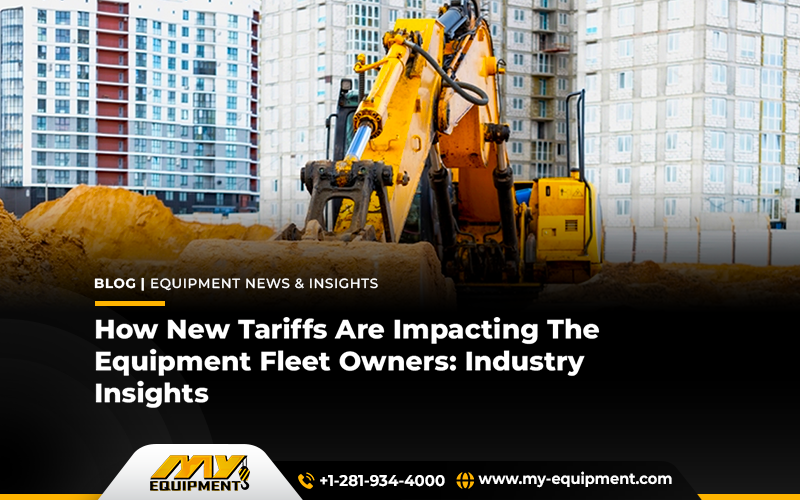
In 2025, the heavy-equipment industry faces some of the steepest trade-induced price swings in years. Dozens of construction machines and parts were suddenly targeted by a wave of new import duties, most notably a 50% tariff on steel-intensive machinery.
The result is striking: almost all bulldozers, cranes, and excavators that use imported steel are now significantly more costly. The blanket steel content tariff, as one industry researcher cautions, will result in huge cost increases with few options for offsets. Imported machinery is becoming more and more expensive. One equipment appraiser mentioned a $500,000 machine whose price increased by $145,000 (nearly 30%) after tariffs were imposed.
How does the tariff impact the price hike?
The pressure is already being felt by fleet managers. About half of the equipment owners surveyed in a recent survey said tariffs increased the cost of new machines and parts (about 18% said prices increased even faster than inflation).
According to Caterpillar’s leadership, tariff-related expenses will total between $1.3 and $1.5 billion this year, while Deere will spend roughly $600 million. Due to the high stakes, dealers find it difficult to absorb costs and will typically pass the majority of the increases on to buyers.
Heavy equipment on a construction site serves as a reminder of how susceptible equipment costs are to changes in policy. For instance, under new import taxes, the list price of a $500,000 crawler excavator for sale might increase by an additional $100 to $150K. A lot of heavy machinery with higher price tags than a year ago is currently passing through the gate.
What is the fleet owner’s reaction?
Due to the rising costs, some owners are delaying or reducing their purchases. Tariffs are causing about 10% of our fleet managers to postpone planned equipment purchases. Nonetheless, roughly 24% say they haven’t noticed any change as of yet, perhaps as a result of current inventory or domestic machinery filling the gap. Numerous dealers have personally heard about clients extending equipment replacement cycles.
According to one industry analysis, higher list prices force contractors to delay purchases or scale back orders.
In actuality, this means that more fleets are looking at used heavy equipment units instead of purchasing new ones, renting equipment, or prolonging the life of existing machinery.
How does tariff imposition impact the equipment parts market?
Tariffs are increasing the cost of replacement parts in addition to raising the sticker price of new trucks and cranes. According to the survey, 43% of equipment managers believe that the cost of parts has gone up, and almost 29% say that the trade regulations have caused delays in part deliveries. Supply chains have tightened because nearly any component that contains metal is impacted. According to some experts, fleets should review expensive repairs and think about keeping extra inventory of essential parts because delays can last for months.
How is the used equipment market performing?
It should come as no surprise that used equipment becomes more appealing as new asset prices rise. Indeed, market data indicate that used values are not skyrocketing; in fact, they have somewhat decreased.
In mid-2025, average used equipment resale values decreased by about 7% year over year, according to industry price indexes. To put it another way, demand is low and supply is still strong, so bargainers may find bargains.
If you are in the same boat and looking for relief in this skyrocketing market, try your hand at used equipment and get in touch with our team at MY Equipment. We are a Houston-based used equipment dealership and deal with all types of used construction equipment from leading brands. We ensure to provide you the value for money and offer you the best service that satisfies you.
 1400 Broadfield Blvd, Houston, TX 77084,
USA.
1400 Broadfield Blvd, Houston, TX 77084,
USA.
 WhatsApp +1-713-304-6013