
 +1-713-304-6013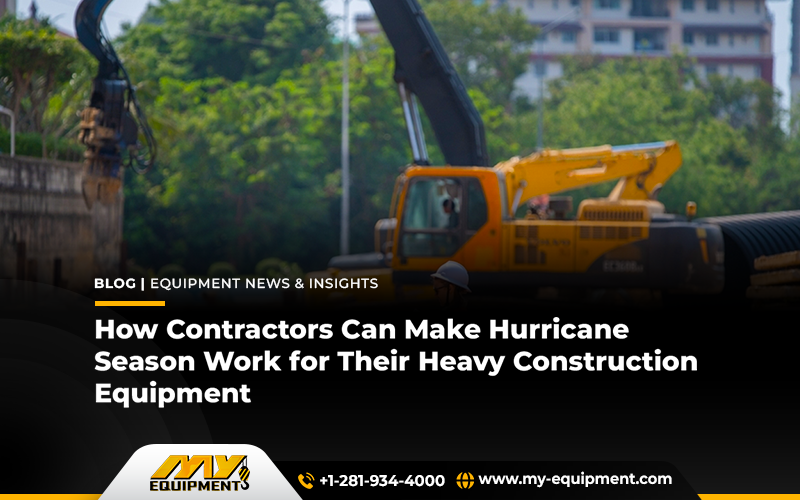
Hurricane season is more than storm warnings and evacuation routes. For contractors across the nation, it also signals the start of one of the most demanding and potentially profitable work cycles of the year. Debris removal, infrastructure repair, road clearing, and site restoration all need experienced contractors and reliable heavy construction equipment the minute conditions permit crews back on the ground.
But here’s what many contractors learn the hard way: The window of opportunity to position yourself for disaster recovery work doesn’t open after the storm. It opens months in advance.
Disaster Recovery Contracts Are Won Before The Storm Strikes
When a hurricane, flood or extreme weather event strikes, government agencies must respond quickly. Roads need to be cleared, public infrastructure needs to be assessed, and recovery operations need to begin within days, sometimes hours. Due to that urgency, most contracts are awarded to companies that were already registered, already vetted, and already known to procurement agencies before the disaster occurred.
Many contractors are surprised at this. Every time there’s a major storm, businesses rush to affected markets to try to pick up emergency work, but instead find local agencies already working with prequalified vendor lists and established contractor networks. When the unregistered contractor files paperwork, the work is already underway.
The contractors who succeed are those who did the groundwork when there was nothing going on.
Government Registration Is Not Optional
Federal agencies such as FEMA and the U.S. Army Corps of Engineers require contractors to be registered with approved systems before they can be considered for disaster response. These systems allow agencies to vet credentials, verify capabilities and identify businesses that can mobilize fast when the call goes out.”
The registering takes time. It’s not something you can do in a day, and it’s certainly not something you want to be scrambling to do as a storm is making landfall. Contractors who consider registration as an afterthought always find themselves shut out of the market, no matter how good their crews and equipment are.
If government disaster work is part of your business plan, begin the registration process now. Not in the next month. Now.
State and Local Contracts Are Usually a Better Starting Point
Most of the attention goes to federal contracts, but many experienced contractors say to start closer to home. State and local governments often need help with debris removal, drainage restoration, road clearing and emergency site repairs, and these projects tend to move faster through procurement than larger federal contracts.
Smaller local projects are also more accessible for companies entering disaster recovery for the first time. They are a good way to get experience, establish reliability, and develop the sort of relationships with local agencies that can translate into bigger opportunities down the road.”
For many contractors, local disaster response work is the start of a long-term government contracting business.
Recovery Operation: What Works or What Doesn’t
When the cleanup starts, heavy equipment that’s not being used becomes one of the most important assets at any disaster recovery site.
The real work is being done by wheel loaders, excavators, motor graders, bulldozers, skid steers and dump trucks, clearing debris, reopening roads, grading damaged sites and prepping areas for reconstruction. How quickly that equipment can be mobilized directly affects how quickly communities can begin to recover.
A big storm rolls through, and sure enough, contractors with reliable, well-maintained equipment are always in higher demand. Government agencies and prime contractors want partners who can start working on day one, not contractors who spend a week sourcing equipment after the contract is awarded.
Relations Matter, But So Does Capacity
Much of the disaster recovery work flows through prime contractors, companies with existing government contracts who subcontract for equipment, operators, trucking and specialized support for big operations.
Contractors who have gained entry into these organizations prior to the start of hurricane season are in a very different position than those who attempt to get in after a storm has hit. If a prime contractor has to scale up rapidly, they’re going to bring in people they already know and trust, not those sending cold emails during a crisis.
Networking before the season starts is not a soft suggestion. It’s a competitive advantage in disaster contracting.
What the 2026 Season Means for Contractors
Forecasters predict a moderately active 2026 Atlantic hurricane season. History has a way of humbling prognostications. With one major storm hitting a heavily developed area, cleanup and rebuilding costs can skyrocket into the billions of dollars almost overnight.
And hurricanes aren’t the only cause. The ongoing flooding, wildfires, and severe storms across the nation are fueling a year-round need for skilled contractors and dependable construction equipment. Weather-related disasters are becoming more expensive, and governments are spending more on recovery, so the work is not going away.
It’s not a contractor’s seasonal market if you are in it to do business. It is continuing.
The Bottom Line
Disaster recovery contracting is a reward for preparedness, not reactivity. It’s not the ones who scramble after a storm that get cleanup and reconstruction work. It’s the ones who finished their registrations, made their reservations, and checked their equipment long before the first weather alert went out.
The question when the 2026 hurricane season comes will be whether there are opportunities. They will be. The question is whether your business will be in a position to take them on.
If you need your equipment ready before the start of work in hurricane season, MY-Equipment has a large inventory of used wheel loaders, excavators, motor graders, bulldozers, and skid steers from Houston, Texas, inspected, maintained, and ready for immediate sale. Check out our current inventory or reach out to our team to find the right machine for your operation.
Don’t forget to subscribe to our YouTube channel for more equipment offers and insights into the industry.
 1400 Broadfield Blvd, Houston, TX 77084,
USA.
1400 Broadfield Blvd, Houston, TX 77084,
USA.
 WhatsApp +1-713-304-6013